Maltese
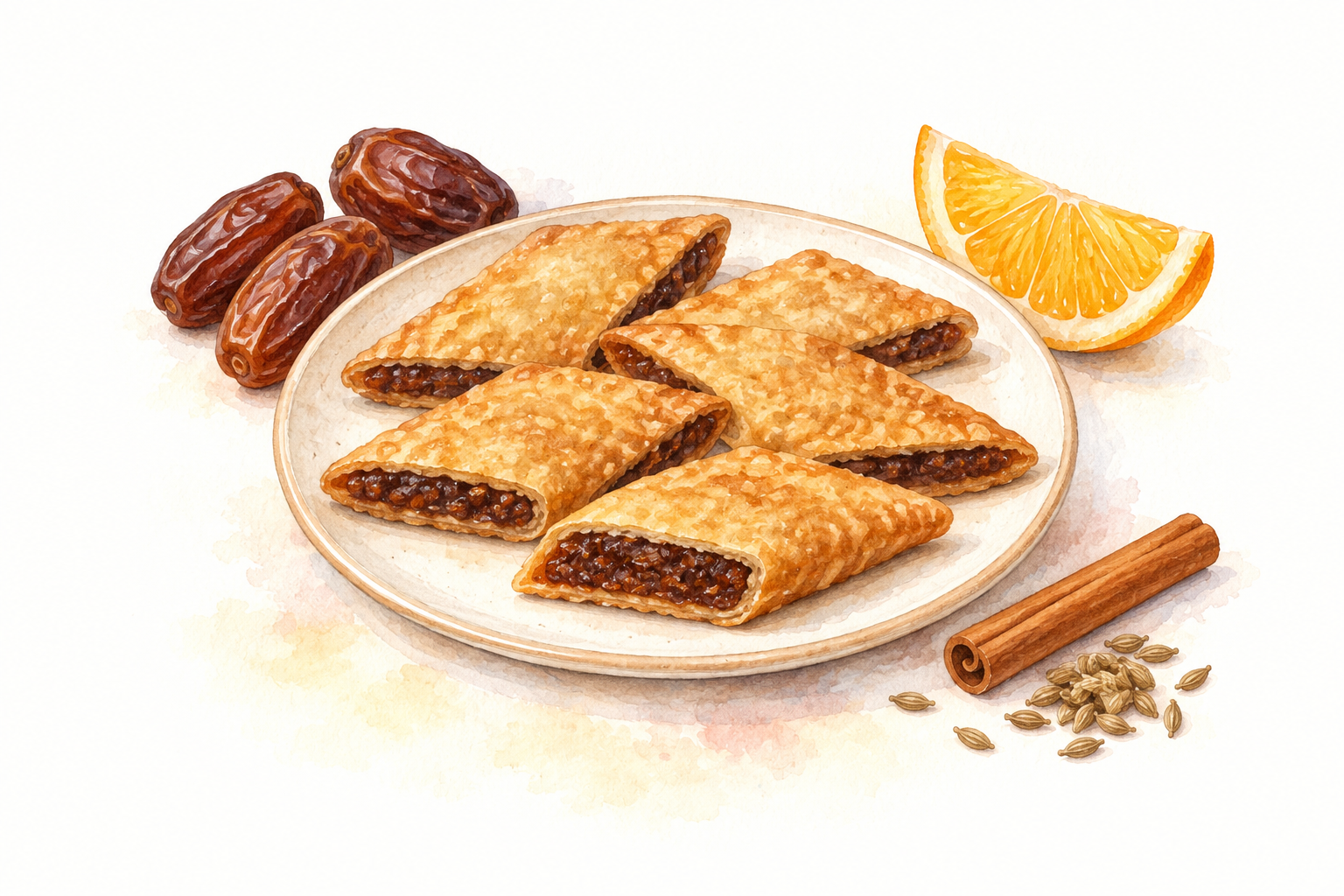
Imqaret (Maltese Date Pastries)
Traditional Maltese fried date pastries scented with citrus, aniseed, and warm spice. Crisp outside, sticky and aromatic inside.
Traditional Maltese fried date pastries scented with citrus, aniseed, and warm spice. Crisp outside, sticky and aromatic inside.
Bright, satisfying and built for real life.
This recipe brings together the generous flavours of Maltese cooking in a format that works on a busy day. Read through the method before starting and adjust seasoning to your taste.
Ingredient notes & swaps
- Choose pitted dates and plain wheat semolina; couscous and cornmeal will not give the same pastry. Aniseed is also sold as anise seed, and the recipe allows ground anise. Orange blossom water is optional: use a food-grade product from the baking or grocery aisle, not a fragrance. Plain flour is all-purpose flour.
The recipe
Imqaret (Maltese Date Pastries)
Ingredients
Ingredients
Method
- 1
Make the pastry: Mix the flour, semolina, sugar, and salt. Rub in the butter or margarine, then add water gradually until a firm dough forms. Knead briefly, cover, and rest for 30 minutes.
- 2
Make the filling: Place the dates, water, orange zest, aniseed, cinnamon, and cloves in a small pan. Cook gently for 8-10 minutes, stirring often, until the dates soften into a thick paste. Stir in orange blossom water if using, then cool completely.
- 3
Fill and shape: Roll the dough into long strips about 10cm wide. Spoon a line of date filling along one side of each strip, fold over to enclose, and press the seam gently. Cut diagonally into diamond shapes.
- 4
Fry: Heat vegetable oil to 170-180°C. Fry the imqaret in batches for 3-4 minutes, turning until golden and crisp. Drain on kitchen paper.
- 5
Serve: Let them cool slightly before eating; the filling stays very hot.
Imqaret are one of Malta's best-loved sweets: diamond-shaped pastries filled with spiced dates and fried until crisp. They are often sold from street stalls and at village festas, where the smell of warm dates, citrus, and spice is hard to miss.
Ingredient Substitutions Outside Malta
Choose pitted dates and plain wheat semolina; couscous and cornmeal will not give the same pastry. Aniseed is also sold as anise seed, and the recipe allows ground anise. Orange blossom water is optional: use a food-grade product from the baking or grocery aisle, not a fragrance. Plain flour is all-purpose flour.
Serving Suggestions
- Serve warm as a dessert or afternoon sweet
- Dust lightly with icing sugar if desired
- Pair with coffee or tea
- Excellent with a small scoop of vanilla ice cream
Traditional Notes & Tips
- The filling should be thick enough to hold its shape
- Do not overfill or the pastry may burst while frying
- Semolina gives the pastry a pleasant bite
- Orange zest and aniseed are key flavours
- Imqaret are best eaten fresh, though they can be reheated briefly in the oven
Recipe adapted from Maltese Recipes.
Storage
No specific storage guidance is provided in the source recipe.
Freezing
Check the recipe notes for any dish-specific freezing guidance.
Reheating
Follow current food-safety guidance and reheat cooked food thoroughly where appropriate.
Keep cooking
You might also like
 38 min
Maltese · Stovetop
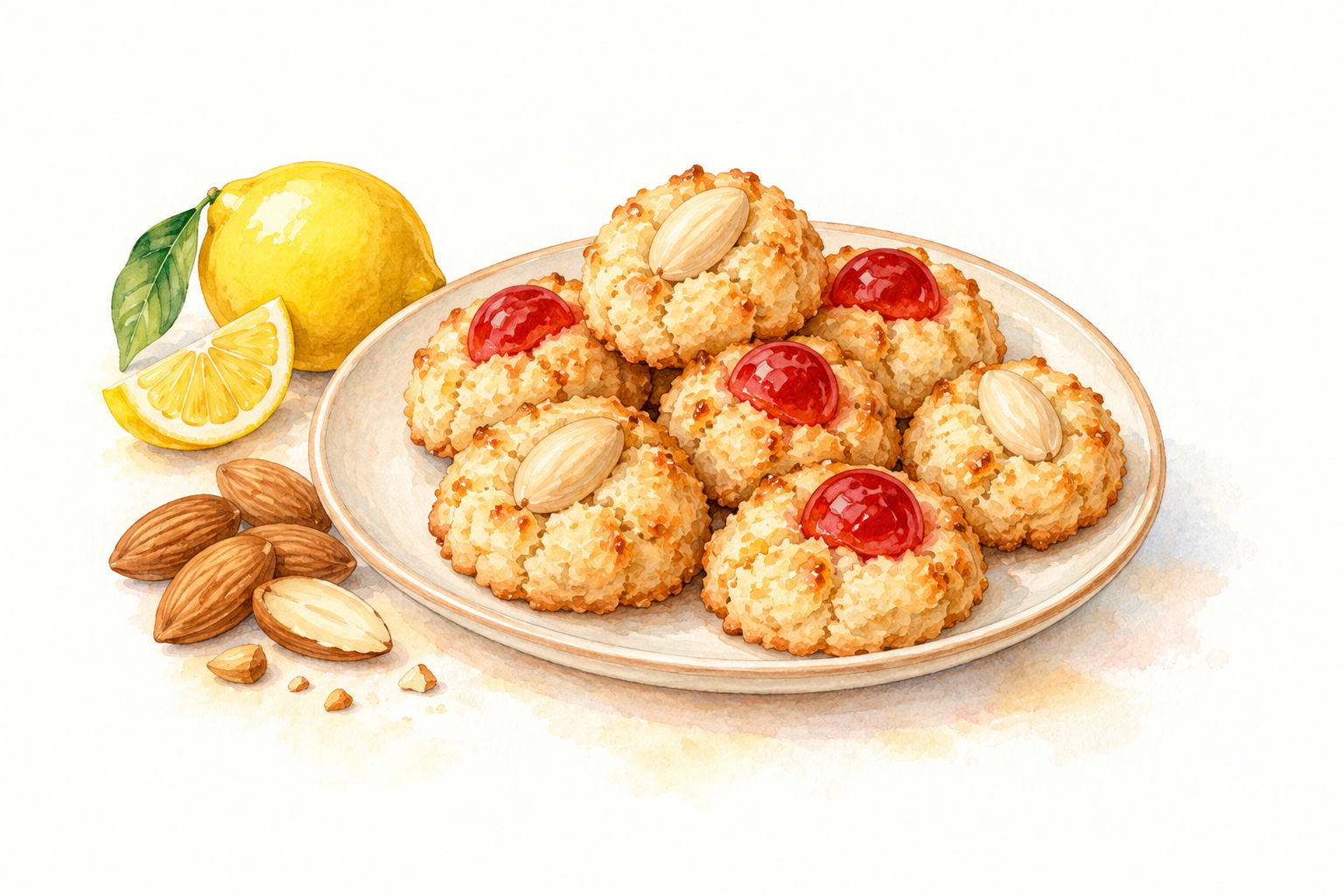
Biskuttini tal-Lewż (Maltese Almond Macaroons)
Traditional Maltese almond macaroons with a crisp outside and chewy centre. Simple, fragrant, and often served for celebrations.
 60 min
Maltese · Frying
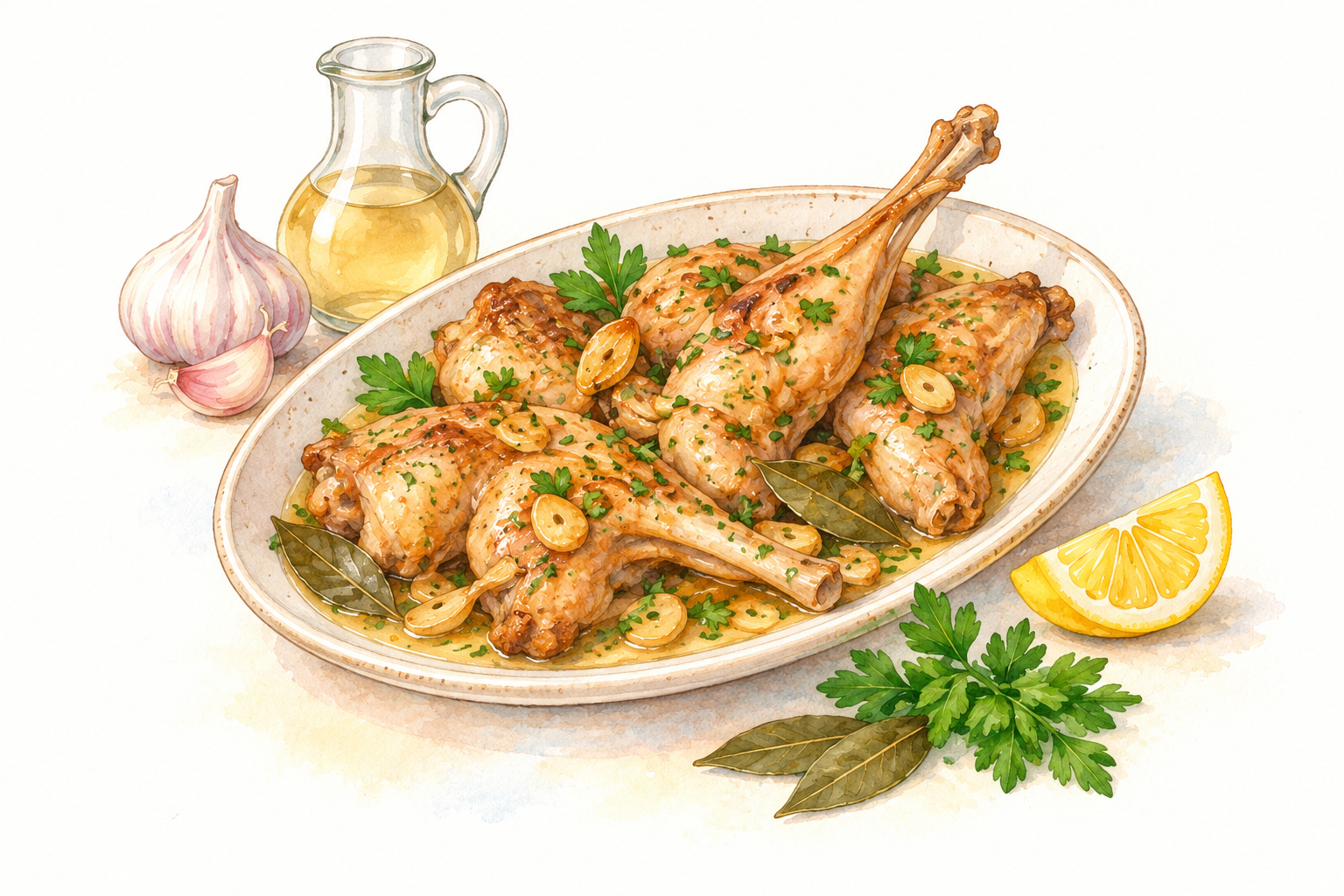
Fenek Moqli (Maltese Fried Rabbit)
A traditional Maltese fried rabbit dish, marinated then cooked with garlic, white wine, and herbs until golden and fragrant.
 70 min
Maltese · Oven
Figolli (Maltese Easter Almond Pastries)
Malta's iconic Easter sweet - two layers of pastry filled with almond paste, baked and decorated with colourful icing and a chocolate egg on top.